
The Ultimate Insect & Protective Screens
When it comes to protecting your home while maintaining comfort and ventilation, few solutions are as practical and versatile as insect screens and protective mesh systems. At P&D Security Shutters, we understand that homeowners need more than just basic protection—they need comprehensive solutions that address multiple concerns from pest control to security, privacy, and environmental factors.
In this comprehensive guide, we’ll explore everything you need to know about insect screens and protective mesh screens, including their types, benefits, applications, and how to choose the right solution for your specific needs.
Understanding Insect Screens: Your First Line of Defense
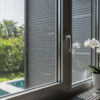
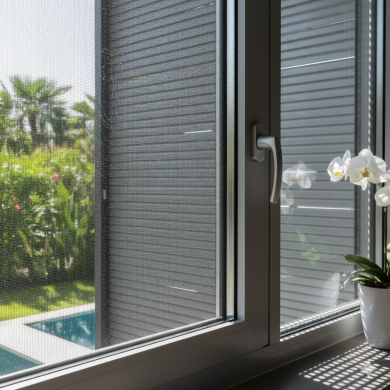
Insect screens, also known as fly screens or bug screens, are mesh barriers designed to cover windows, doors, and other openings in your home. Their primary purpose is to allow fresh air circulation while keeping unwanted insects and pests outside where they belong.
The Importance of Quality Insect Screens
Before diving into the types available, it’s worth understanding why investing in quality insect screens matters. Beyond the obvious benefit of keeping mosquitoes, flies, and other bugs out, good insect screens contribute to:
- Health protection: Preventing disease-carrying insects from entering your living spaces
- Improved air quality: Allowing natural ventilation without pesticide sprays
- Energy efficiency: Reducing reliance on air conditioning by enabling natural airflow
- Enhanced comfort: Creating pest-free indoor-outdoor living experiences
- Property value: Adding a practical feature that appeals to potential buyers
Types of Insect Screens
1. Fiberglass Insect Screens
Fiberglass screens are the most common and affordable option on the market. Made from woven fiberglass coated with PVC, these screens offer excellent value for standard applications.
Advantages:
- Cost-effective and budget-friendly
- Resistant to rust and corrosion
- Available in various colors to match your home
- Easy to install and replace
- Good visibility and airflow
Considerations:
- Less durable than metal alternatives
- Can sag or tear over time
- Not ideal for homes with pets that scratch
- May require more frequent replacement
2. Aluminum Insect Screens
Aluminum screens provide superior durability compared to fiberglass, making them an excellent choice for high-traffic areas or homes with pets.
Advantages:
- Highly durable and long-lasting
- Resistant to dents and tears
- Won’t sag or stretch over time
- Fire-resistant properties
- Better pet resistance
Considerations:
- More expensive than fiberglass
- Can dent under strong impact
- May oxidize in coastal areas without proper coating
- Slightly reduced visibility compared to fiberglass
3. Stainless Steel Insect Screens
For ultimate durability and security, stainless steel screens represent the premium option in insect screening solutions.
Advantages:
- Exceptional strength and longevity
- Excellent corrosion resistance, ideal for coastal properties
- Superior pest protection, including small rodents
- Can double as a light security barrier
- Virtually maintenance-free
Considerations:
- Higher initial investment
- Professional installation recommended
- Slightly reduced airflow due to tighter weave
- May have a more industrial appearance
4. Pet-Resistant Screens
Specially designed for households with cats or dogs, pet-resistant screens use heavy-duty vinyl-coated polyester that can withstand scratching and impact.
Advantages:
- Seven times stronger than standard fiberglass
- Resists tearing from pet claws
- Maintains appearance despite pet interaction
- Good visibility and airflow
- Available in various colors
Considerations:
- More expensive than standard screens
- Slightly thicker mesh may marginally reduce visibility
- May still require replacement if pets are particularly aggressive
5. Solar Insect Screens
Solar screens combine insect protection with UV blocking and heat reduction capabilities, making them ideal for sunny climates.
Advantages:
- Blocks up to 90% of UV rays
- Reduces heat gain by up to 70%
- Lowers energy costs
- Protects furniture from sun damage
- Reduces glare on screens and televisions
Considerations:
- Darker appearance reduces natural light
- Can make rooms feel dimmer
- Higher cost than standard screens
- May not be suitable for all orientations
6. Magnetic Insect Screens
These innovative screens use magnetic strips along the edges for easy installation and removal, perfect for renters or seasonal use.
Advantages:
- No tools required for installation
- Easy to remove for cleaning or storage
- Ideal for rental properties
- Can be installed on various opening types
- Affordable option
Considerations:
- Less permanent solution
- Magnets may weaken over time
- Not suitable for high-wind areas
- May not provide perfect seal
Protective Mesh Screens: Beyond Basic Insect Control
While insect screens focus primarily on keeping bugs out, protective mesh screens serve broader security, safety, and environmental protection purposes. These robust solutions are engineered to address multiple concerns simultaneously.
Types of Protective Mesh Screens
1. Security Mesh Screens
Security mesh screens represent the gold standard in home protection, combining insect screening with burglar resistance.
Key Features:
- Constructed from marine-grade stainless steel
- Can withstand knife attacks and forced entry attempts
- Meet Australian Standard AS5039 or similar international standards
- Provide clear visibility despite robust construction
- Allow up to 80% airflow
Applications:
- Ground floor windows and doors
- Homes in high-crime areas
- Properties with valuable assets
- Vacation homes left unattended
- Commercial properties requiring security
Benefits:
- Insurance premium reductions in many cases
- Peace of mind for families
- Maintains aesthetic appeal
- Functions as both screen and security barrier
- Long-term investment in property protection
2. Privacy Mesh Screens
Privacy mesh screens offer varying levels of opacity to protect your privacy without completely blocking light or air.
Available Opacity Levels:
- Light screening (70-80% visibility): Subtle privacy while maintaining views
- Medium screening (50-60% visibility): Balanced privacy and light transmission
- Heavy screening (20-30% visibility): Maximum privacy with minimal visibility
Ideal Locations:
- Bathrooms and bedroom windows
- Properties close to neighbours
- Street-facing windows
- Poolside areas
- Home offices requiring discretion
3. Shade Mesh Screens
Designed for climate control, shade mesh screens reduce heat gain while maintaining ventilation and views.
Density Options:
- 50% shade factor: Moderate protection for east/west exposures
- 70% shade factor: Strong protection for north-facing areas
- 90% shade factor: Maximum protection for intense sun exposure
Benefits:
- Reduces cooling costs by up to 40%
- Protects outdoor furniture from UV damage
- Creates comfortable outdoor living spaces
- Reduces glare without blocking views entirely
- Available in various colors to complement architecture
4. Environmental Mesh Screens
These specialized screens protect against specific environmental hazards beyond insects.
Pollen Screens:
- Ultra-fine mesh (typically 250-400 microns)
- Blocks up to 99% of pollen particles
- Essential for allergy sufferers
- Maintains good airflow despite fine weave
- Requires more frequent cleaning
Dust and Debris Screens:
- Medium-density mesh for wind-blown particles
- Ideal for rural areas or construction zones
- Reduces indoor dust accumulation
- Protects against sandstorms in arid regions
- Available in heavy-duty materials
Ember Protection Screens:
- Fire-rated mesh for bushfire-prone areas
- Meets BAL (Bushfire Attack Level) requirements
- Non-combustible metal construction
- Critical for properties in fire zones
- Often required by insurance in high-risk areas
5. Bird and Wildlife Mesh
Larger mesh openings designed to humanely exclude birds and larger animals while allowing airflow.
Applications:
- Balconies and patios
- Agricultural buildings
- Warehouses and storage facilities
- Pool enclosures
- Pergolas and outdoor structures
Specifications:
- Mesh size tailored to target species
- UV-stabilized materials for outdoor durability
- Available in virtually invisible options
- Can be tensioned for large spans
- Professional installation recommended for permanence
6. Industrial Mesh Screens
Heavy-duty protective screens designed for commercial and industrial applications.
Features:
- Exceptionally robust construction
- Resistant to vandalism and impact
- Available in various wire gauges
- Can incorporate additional security features
- Suitable for factories, warehouses, and commercial premises
Factors to Consider When Choosing Screens
Climate and Weather Conditions
Your local climate significantly impacts which screen type will perform best:
- Coastal areas: Choose corrosion-resistant materials like stainless steel
- High wind zones: Opt for securely fastened screens with robust frames
- Bushfire-prone regions: Select ember-resistant mesh meeting local regulations
- Areas with extreme heat: Consider solar or shade mesh for temperature control
- High pollen areas: Ultra-fine mesh screens can dramatically improve indoor air quality
Lifestyle and Usage Patterns
Your daily life and household composition affect your screen requirements:
- Pets: Invest in pet-resistant screens to avoid frequent replacements
- Children: Security mesh provides peace of mind for child safety
- Allergies: Pollen screens significantly reduce airborne allergens
- Outdoor entertaining: Retractable screens offer flexibility
- Privacy concerns: Privacy mesh maintains seclusion without sacrificing ventilation
Architectural Style
Your screens should complement your home’s design:
- Modern homes: Sleek aluminium or stainless steel in dark finishes
- Traditional properties: Colour-matched fiberglass or aluminium
- Coastal residences: Marine-grade stainless steel for longevity
- Heritage buildings: Carefully selected screens that don’t detract from character
Budget Considerations
Screen costs vary widely based on material and functionality:
- Entry-level: Fiberglass screens offer basic protection at lowest cost
- Mid-range: Aluminium and pet-resistant options balance durability and price
- Premium: Security mesh and specialized screens represent significant investment
- Long-term value: More expensive options often prove economical over time
Installation Options
Retractable Screens
Retractable screens offer ultimate flexibility, disappearing when not needed:
- Motorized systems: Convenient operation with remote or smart home integration
- Manual retractable: Cost-effective with smooth operation
- Side-mounting: Ideal for doors and wide openings
- Vertical drop: Perfect for large windows and outdoor areas
Fixed Screens
Permanent installations provide constant protection:
- Traditional frame screens: Most common residential option
- Tension screens: Sleek, frameless appearance for modern homes
- Hinged screens: Allow screen removal for cleaning or maintenance
- Sliding screens: Perfect for sliding doors and windows
Maintenance and Care
Proper maintenance extends screen lifespan and ensures optimal performance:
Regular Cleaning
- Vacuum screens monthly to remove dust and debris
- Wash with mild soap and water quarterly
- Use soft brushes to avoid damage
- Rinse thoroughly and allow to air dry
Inspection and Repair
- Check for tears, holes, or sagging seasonally
- Examine frames for corrosion or damage
- Tighten loose fasteners
- Replace damaged sections promptly
Professional Servicing
- Annual professional inspection for security mesh
- Retractable mechanism lubrication and adjustment
- Frame resealing and weatherproofing
- Tension adjustment for optimal performance
Integration with Security Systems
Modern protective mesh screens can integrate with comprehensive security solutions:
- Alarm system compatibility: Screen sensors detect tampering or removal attempts
- Smart home integration: Monitor screen status via smartphone apps
- CCTV coordination: Screens designed to not interfere with camera views
- Access control: Motorized screens with secure operation systems
Environmental and Energy Efficiency Benefits
Quality screens contribute to sustainable living:
- Reduced air conditioning use: Natural ventilation lowers energy consumption
- Solar heat gain control: Shade mesh reduces cooling requirements by up to 40%
- Natural light optimization: Maintain brightness while controlling heat
- Indoor air quality: Fresh air circulation without pesticides or chemicals
- Carbon footprint reduction: Lower energy use translates to reduced emissions
Regulatory Compliance and Standards
Professional screen installations should meet relevant standards:
- Security mesh: AS5039 (Australia) or equivalent international standards
- Bushfire protection: BAL ratings appropriate to location
- Building codes: Compliance with local residential building requirements
- Safety standards: Child safety provisions for openable screens
- Energy ratings: Consideration in home energy assessments
Making Your Decision: Key Takeaways
Choosing between insect screens and protective mesh screens—or implementing both—depends on your priorities:
Choose standard insect screens if:
- Your primary concern is keeping bugs out
- You have a limited budget
- Security and privacy are not major concerns
- You live in a low-crime area
- Basic functionality meets your needs
Upgrade to protective mesh screens if:
- Security is a priority for your household
- You live in a high-risk area for crime or bushfires
- You want multi-functional solutions
- Privacy is important
- You’re making a long-term investment in your property
- Energy efficiency is a goal
Professional Installation vs. DIY
While some screen installations are suitable for DIY enthusiasts, professional installation offers advantages:
Professional installation benefits:
- Precise measurements ensuring perfect fit
- Warranty protection on labor and materials
- Compliance with building codes and standards
- Access to premium products not available retail
- Expert advice on optimal solutions
- Time savings and convenience
DIY suitability:
- Standard window screen replacement
- Magnetic screen installation
- Basic fiberglass screen repairs
- Pre-made screen panels
For security mesh, custom solutions, and large installations, professional installation is strongly recommended.
Conclusion
Insect screens and protective mesh screens represent essential home improvements that deliver immediate and long-term benefits. From basic fiberglass insect screens that provide affordable pest control to advanced security mesh systems offering comprehensive protection, the right solution depends on your specific needs, budget, and circumstances.
At P&D Security Shutters, we understand that every home and family is unique. Whether you’re seeking simple insect protection, enhanced security, improved privacy, or comprehensive environmental control, there’s a screening solution designed for your requirements.
Investing in quality screens isn’t just about keeping bugs out—it’s about creating a more comfortable, secure, and energy-efficient living environment for you and your family. With proper selection, professional installation, and regular maintenance, your screen investment will provide years of reliable performance and peace of mind.
Ready to explore screening solutions for your home? Contact P&D Security Shutters today for a comprehensive assessment and personalized recommendations tailored to your property’s specific needs. Our experienced team can help you navigate the options and select the perfect combination of insect screens and protective mesh systems to enhance your home’s comfort, security, and value.
Add comment